AI-Generated Product Copy With Tone and Fact Control
Understanding AI-Generated Product Copy
In an era where digital marketing reigns supreme, businesses are increasingly turning to innovative solutions to stay ahead. One such solution is AI-generated product copy, which leverages advanced machine learning algorithms to create compelling and informative text for products. This technology not only improves efficiency but also assists marketers in maintaining a consistent brand voice while ensuring factual accuracy.
What Is AI-Generated Product Copy?
AI-generated product copy refers to text created by artificial intelligence systems, specifically designed to describe and market products. By analyzing vast amounts of data, these systems produce descriptions, features, benefits, and promotional content tailored to specific audiences.
The Importance of Tone and Fact Control
The dual focus on tone and factual accuracy is crucial in product copy. The tone conveys the brand’s personality and influences consumer perception. Meanwhile, fact control ensures that the information provided is accurate and reliable, fostering trust and credibility.
Implementing AI-Generated Product Copy
Adopting AI-generated product copy for your business involves several strategic steps. Below, we outline practical examples and an easy-to-follow implementation framework.
Step 1: Define Your Brand Voice
Before generating any copy, it is essential to establish a clear brand voice. This can be formal, casual, playful, or authoritative—whatever aligns with your business identity.
Step 2: Select the Right AI Tool
Choosing the right AI tool is critical. Here are a few notable providers:
- Copy.ai: Offers a wide array of templates and styles.
- Jasper: Known for its advanced features and customization options.
- Writesonic: An excellent option for e-commerce businesses focused on product descriptions.
Step 3: Input Relevant Data
Feeding the AI system with relevant product data is vital. Provide information such as:
- Product features
- Target audience demographics
- Desired tone and style guidelines
Step 4: Review and Edit the Output
Once the AI generates the product copy, thorough review and editing are required to ensure quality and adherence to the brand voice. This stage involves checking for facts, verifying accuracy, and ensuring consistency.
Practical Examples of AI-Generated Product Copy
To better understand the efficiency and effectiveness of AI-generated product copy, let’s look at some practical examples across different industries.
Example 1: E-commerce Clothing Retailer
A clothing retailer uses AI-generated copy for its new summer collection. The AI is provided with product details, including fabric type, color options, and intended audience. The resulting product description might read:
“Step into summer with our lightweight, breathable linen top, available in vibrant coral and classic white. Perfect for beach days or picnics, this versatile piece complements every outfit while keeping you cool.”
Example 2: Tech Gadgets
For a tech gadget retailer, the AI could create a product description for a new smartwatch:
“Discover the future of wearable technology with our latest smartwatch. Featuring real-time heart rate monitoring and seamless integration with your mobile apps, this device is designed to elevate your daily routine.”
Advantages and Challenges of AI-Generated Product Copy
Like any technology, AI-generated product copy comes with its own set of advantages and challenges. Understanding these can help businesses make informed decisions.
Pros
- Efficiency: Rapidly generates copy, saving time for creative teams.
- Consistency: Maintains uniformity across product descriptions.
- Scalability: Easily produces large volumes of text as the business grows.
- Data-Driven Insights: Uses analytics to tailor content to target audiences effectively.
Cons
- Lack of Creativity: May produce generic copy lacking the unique human touch.
- Quality Control: Requires diligent editing to ensure factual accuracy and tone consistency.
- Over-reliance: Businesses might become overly dependent on AI at the expense of human creativity.
The Most Common Mistakes in AI-Generated Copy
As organizations embrace AI-generated product copy, several pitfalls can easily arise. Awareness and proactive measures can help mitigate these errors:
Mistake 1: Neglecting Brand Voice
Failing to define or communicate the brand’s voice to the AI can result in off-brand messaging. Always ensure that the AI is aligned with the established tone.
Mistake 2: Overlooking Review Processes
Skipping the review phase is risky. AI-generated content often needs fine-tuning to enhance clarity and tone, as inaccuracies can affect brand credibility.
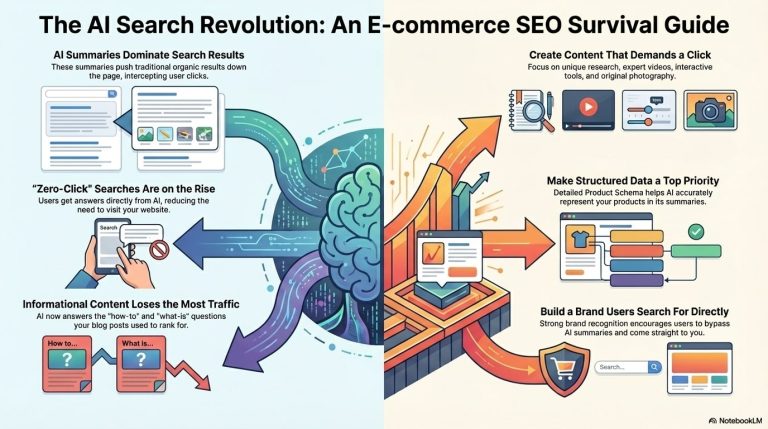
Mistake 3: Ignoring SEO Best Practices
Not considering SEO during content creation can lead to missed opportunities in organic traffic. Integrate keyword strategies to maximize online visibility.
Conclusion: Key Takeaways and Checklist
AI-generated product copy is a powerful tool that can enhance marketing efforts when implemented thoughtfully. Producing effective AI content requires a careful approach, balancing efficiency with quality and brand alignment.
Checklist for Successful Implementation
- Define your brand voice clearly.
- Select an appropriate AI tool for your needs.
- Input comprehensive, relevant product data.
- Conduct thorough reviews and edits on generated content.
- Integrate SEO strategies into your copy.
- Continuously monitor performance and adjust strategies as needed.
By following these guidelines and being mindful of potential pitfalls, businesses can effectively harness the power of AI-generated product copy. This can ultimately drive engagement, increase conversions, and elevate brand presence in a competitive market.