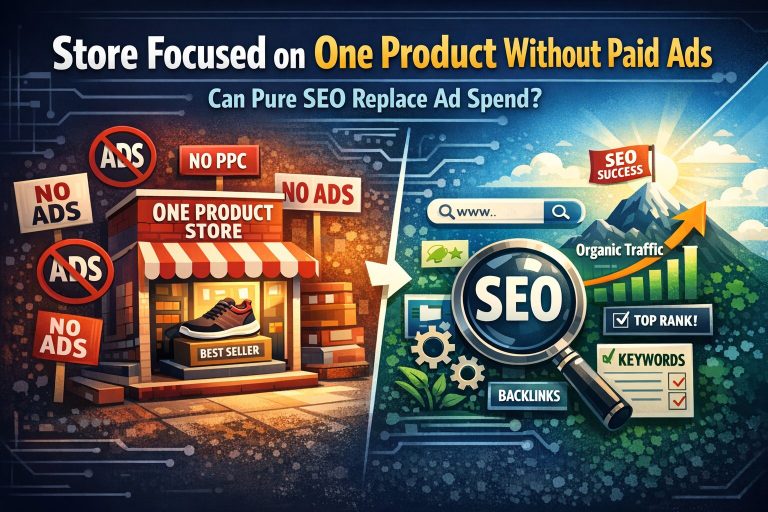
Country-Specific Buying Guides: Structure and Schema
TL;DR: Creating country-specific buying guides requires a well-structured approach, focusing on the needs and behaviors of local consumers. This involves understanding the technical background, adhering to metrics and standards, and being aware of common pitfalls. The implementation process should also include a comprehensive checklist to ensure that all aspects are covered effectively. By following best practices and understanding edge cases, businesses can enhance user experience and drive conversions.
Implementing schema markup for country-specific buying guides can significantly improve search engine visibility and user engagement. Properly structured data helps search engines understand the content better, leading to higher rankings. However, missteps in implementation can lead to errors that may hinder rather than help your efforts. A thorough understanding of metrics, standards, and potential pitfalls is crucial for success.
Understanding the Technical Background of Buying Guides
Country-specific buying guides are tailored to the preferences and behaviors of consumers in different regions. The technical aspect involves using structured data, typically in the form of schema markup, to enhance the visibility of these guides in search results. Here are key components to consider:
- Schema Markup: Utilize relevant schema types such as Product, Review, and FAQPage to provide structured data that aids search engines in indexing content.
- Localization: Ensure that the language, currency, and cultural references are appropriate for the target audience. This enhances relevance and user engagement.
- Responsive Design: Implement a mobile-friendly design, as a significant portion of users will access buying guides via mobile devices.
- Page Speed Optimization: Optimize loading times to improve user experience and SEO rankings. Aim for a loading time of under 3 seconds.
Key Metrics and Standards for Effective Buying Guides
When creating country-specific buying guides, adhering to specific metrics and standards is essential for measuring success and ensuring high-quality content. Here are some vital metrics to track:
- Click-Through Rate (CTR): Monitor the percentage of users who click on your guide after seeing it in search results. A higher CTR indicates effective title and meta description usage.
- Conversion Rate: Track how many readers end up making a purchase after engaging with your guide. This metric reflects the guide’s effectiveness in driving sales.
- Bounce Rate: Analyze the percentage of visitors who leave your site after viewing only one page. A high bounce rate can indicate that your content isn’t engaging enough.
- Average Time on Page: Evaluate how long users spend reading your buying guide. Longer times suggest that users find the content valuable.
Identifying Edge Cases and Common Pitfalls
While creating buying guides, it’s crucial to anticipate edge cases and common pitfalls that can affect the effectiveness of your implementation:
- Ignoring Local Regulations: Different countries may have specific regulations regarding product descriptions and advertising standards that should be adhered to.
- Overlooking Cultural Differences: Failing to adapt content to local customs or preferences can alienate potential customers.
- Neglecting SEO Best Practices: Inadequate keyword research can lead to poor search visibility. Always optimize for local keywords.
- Inconsistent Updates: Ensure that your content is regularly updated to reflect the latest product availability and market trends.
Best Practices for Developing Country-Specific Buying Guides
Implementing best practices can significantly enhance the quality and effectiveness of your buying guides:
- Conduct Thorough Research: Understand the target market’s preferences, buying behaviors, and cultural influences before creating content.
- Utilize Local Influencers: Collaborating with local influencers can provide credibility and reach among your target audience.
- Incorporate Visuals: Use high-quality images and videos to complement the text and enhance user engagement.
- Implement Structured Data: Use schema markup to provide search engines with clear descriptions of your content, improving visibility and click-through rates.
- Include User Reviews and Testimonials: Adding social proof can increase trust and encourage conversions.
Implementation Checklist for Your Buying Guides in 2025
To ensure a successful implementation of country-specific buying guides, follow this comprehensive checklist:
| Task | Status |
|---|---|
| Conduct market research on local preferences | Pending/Completed |
| Develop content tailored to the local audience | Pending/Completed |
| Implement schema markup for structured data | Pending/Completed |
| Optimize for mobile devices and page speed | Pending/Completed |
| Conduct keyword research for local SEO | Pending/Completed |
| Update content regularly for accuracy | Pending/Completed |
Common Questions About Country-Specific Buying Guides
How can I effectively localize content for different countries?
Effective localization involves adapting not just the language but also cultural references, pricing, and examples to resonate with the local audience. Collaborate with native speakers or local experts to ensure cultural appropriateness.
What are the best metrics to measure the success of buying guides?
Key metrics include click-through rates, conversion rates, average time on page, and bounce rates. Tracking these will help you evaluate the effectiveness of your guides and make necessary adjustments.
What common errors should I avoid in my buying guide implementation?
Avoid ignoring local regulations, failing to update content regularly, and neglecting the importance of SEO. Each of these can significantly impact user engagement and search engine visibility.
Why is schema markup important for buying guides?
Schema markup helps search engines understand the content of your buying guides better, which can improve your visibility in search results and enhance your chances of attracting organic traffic.
How often should I update my buying guides?
It’s advisable to review and update your buying guides at least quarterly, or more frequently if there are significant changes in product availability, pricing, or local trends.