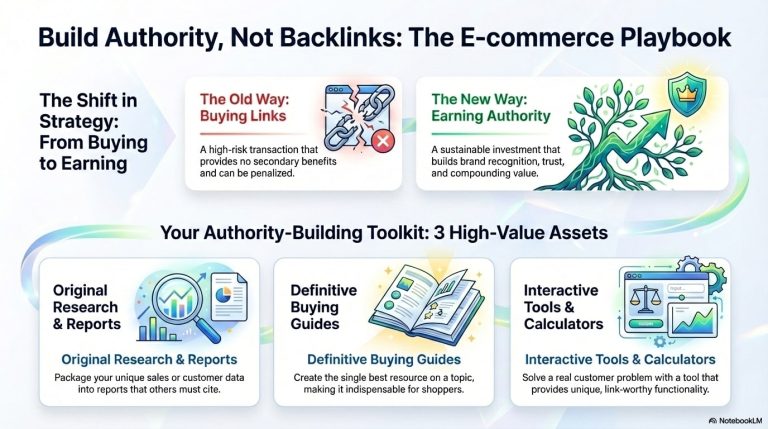
Research Posts That Earn Natural Links
Understanding the Value of Research Posts
In the vast landscape of digital content, research posts stand out as a powerful tool for earning natural links. They serve as comprehensive resources filled with in-depth analysis, original data, and new insights that are invaluable to audiences across multiple domains. Businesses and individuals alike leverage these to a great extent due to their potential for engagement and credibility enhancement.
Defining Research Posts
Research posts are a type of content that incorporates detailed research findings, data analysis, or scholarly insights to address specific questions or issues. They often include charts, surveys, interviews, or case studies and are crafted to add meaningful discourse in a particular field.
The Importance of Natural Links
Natural links are hyperlinks to your website that are offered naturally by other website owners without any direct effort or compensation on your part. They are highly valued by search engines and signify trustworthiness and authority. Research posts are ideal for attracting these links because they provide valuable content that others want to reference.
Components of Effective Research Posts
Creating research posts that naturally earn links requires a keen understanding of what makes them appealing. Below are the critical components to consider:
Original Data and Analysis
Original data and proprietary analysis form the backbone of impactful research posts. They distinguish your content from the sea of existing material and offer fresh insights that can drive discussion and engagement.
Relevance and Timeliness
Your research must address current trends or timeless questions within your niche. This ensures the content remains relevant and top-of-mind for readers and potential link sources.
Accessibility and Clarity
The complexity of data and insights should be tempered with clear writing and accessible presentation. Tables, infographics, and simple language increase readability and shareability, enhancing the chance of earning links.
Practical Examples of Successful Research Posts
Examining real-world examples helps illustrate the effectiveness of research posts in earning natural links. Here are a few noteworthy cases:
Case Study: HubSpot’s “Not Another State of Marketing Report”
HubSpot regularly publishes a detailed marketing report using original survey data, which receives thousands of natural backlinks. By offering valuable insights and trends in the marketing industry, it serves as a must-have resource for marketers and bloggers.
Case Study: Buffer’s Social Media Study
Buffer’s comprehensive analysis on optimal social media posting times garnered widespread attention and links due to its practical utility across various sectors. The combination of new data and actionable recommendations made it highly shareable and referenced.
Case Study: Moz’s Search Engine Ranking Factors
Moz regularly compiles extensive research on Google’s ranking factors, which has made them a cornerstone reference for SEO professionals worldwide. The rigorous methodology and transparent data sourcing lend credibility, resulting in significant organic linking.
Steps to Create a Link-Worthy Research Post
Creating an impactful research post requires careful planning and execution. Below are the steps to guide you through the process:
1. Identify Your Research Question or Area
Select a topic that aligns with your expertise and fills a gap in existing literature. Ensure it resonates with current or ongoing trends within your industry.
2. Conduct Comprehensive Research
Gather data from reliable sources and use robust methodologies. Whether it’s through surveys, experiments, or data mining, ensure your data is credible and well-documented.
3. Analyze and Interpret the Data
Transform raw data into meaningful insights. Use tables, charts, and graphs to convey complex information succinctly. Highlight the implications of your findings for your target audience.
4. Draft with Clarity and Purpose
Write your post with an emphasis on clarity and engagement. Use subheadings, bullet points, and visuals to break up dense information and make it digestible.
5. Review and Revise
Have others review your post for accuracy and coherence. Edits should enhance readability and correct any factual errors. Ensure citations and references are accurate and transparent.
6. Promotion and Outreach
Once published, share your work via email newsletters, social media, and online communities. Engage with influencers and industry leaders who stand to benefit from your insights to broaden the reach of your content.
7. Engage and Respond
Be proactive in responding to comments and discussions your post generates. This interaction can amplify the reach and encourage additional linking.
Benefits and Challenges
Research posts have their own set of advantages and challenges that creators should be aware of:
Advantages
- Authority and Credibility: Authors gain authority within their field, as thorough research demonstrates expertise.
- Natural Link Acquisition: The inherent value of research posts attracts organic backlinks, improving SEO.
- Sales and Conversions: By building trust, potential customers are more likely to convert after engaging with credible content.
- Long-Term Evergreen Content: Quality research remains relevant and valuable over time, continuing to attract links.
Challenges
- Resource Intensive: Comprehensive research, data collection, and analysis demand time and resources.
- Risk of Inaccuracy: Erroneous data or flawed analysis can harm credibility and trust.
- Complexity in Delivery: Presenting dense information clearly can be challenging and requires careful planning.
Common Mistakes to Avoid
Even the most seasoned content creators can stumble. Here are frequent pitfalls and how to dodge them:
Ineffective Topic Selection
Choosing topics that are either too niche or no longer relevant can render research posts unengaging. Ensure the topic caters to a broad audience interested in current industry trends.
Poor Data Quality
Inaccurate or biased data undermines the integrity of your research. Always vet data sources and utilize rigorous methodologies to ensure accuracy.
Overly Complex Presentation
Failing to simplify complex data can alienate your audience. Use visuals and simplify language to ensure clarity and accessibility.
Conclusion with a Checklist
Research posts are invaluable assets for gaining natural backlinks and building authority. By crafting well-researched, clear, and engaging content, you provide value that others will naturally link to. Use the following checklist to guide successful creation:
- Identify a timely and relevant topic.
- Conduct thorough and reliable research.
- Analyze data to draw meaningful insights.
- Draft the post with a focus on clarity and guidance.
- Engage with readers and the community to broaden reach.
- Regularly review and update content for sustained relevance.
Through diligent effort and strategic execution, your research posts can become cornerstone content, earning links and boosting your position as a thought leader.